
P: +61 (0) 459 623 296 | E: sales@greendow.com.au

Webmaster

Advantages and Disadvantages of Hydroponics Vs. Soil Gardening

Gardening is a rewarding hobby with many benefits, including the provision of fresh produce and the enhancement of mental well-being. Two prevalent methods of gardening are traditional soil gardening and hydroponics, each with its unique set of advantages and disadvantages that appeal to different preferences, environments, and gardening goals. Keep in mind that this is just one aspect of successful gardening—ensuring all other growing factors, environmental conditions, and maintenance are properly managed is equally important.

Struggling to choose the best method?

In this blog, we’ll explore the pros and cons of both soil gardening and hydroponics to assist you in making an informed decision about which method best suits your needs.

SOURCE : https://mrstacky.com.au/hydroponic-gardening-information/hydroponics-vs-soil/#:~:text=The%20difference%20is%20that%20the,larger%20root%20system%20than%20hydroponic.

What Is Hydroponic Gardening?

Hydroponics is a method of growing plants in water mixed with nutrients, bypassing the need for soil. Instead, plants grow in a nutrient-rich solution that consistently delivers food directly to their roots.

Hydroponic systems are versatile and can be customized to fit various spaces and needs, ranging from simple setups like mason jars to advanced systems like NASA’s hydroponic space garden on the International Space Station.

Some hydroponic growers suspend plants directly in water using nets, rafts, or pots, while others use an inert growing medium that allows water to flow through. Common growing mediums include:

  • Coconut fiber
  • Peat moss
  • Vermiculite
  • Perlite
  • Styrofoam packing peanuts
  • Brick shards
  • Sand, rock, or clay

What Can I Grow Hydroponically?

Most vegetables can thrive in hydroponic systems. Even plants that require space to grow tall, such as bell peppers and tomatoes, can be successfully cultivated in the right hydroponic setup. Spreading plants like cucumbers often need a framework or trellis to support their growth and can be excellent additions to your garden.

Some of the most popular and successful plants for hydroponic growing include:

  • Lettuce and other greens
  • Tomatoes (both full-size and cherry varieties)
  • Cucumbers
  • Peppers (any variety, including bell, jalapeno, etc.)
  • Herbs
  • Eggplant

Even flowers like dianthus and snapdragons can be grown hydroponically, allowing you to enjoy beautiful cut flower arrangements year-round.

Advantages & Disadvantages of Hydroponic Gardening

Advantages:

  • Water Efficiency: Hydroponic systems are more water-efficient than soil gardening (https://www.ncbi.nlm.nih.gov/pmc/articles/PMC7885021/), as water is recirculated within the system, minimizing wastage.
  • Faster Growth: Plants often grow faster hydroponically due to direct nutrient access, leading to higher yields in a shorter period.
  • Space Efficiency: Hydroponic setups take up less space because plants can be grown closer together and even stacked vertically. This makes them ideal for apartment dwellers or anyone looking to maximize plant density in a small area.
  • Pest and Disease Control: Hydroponic systems are less prone to pests and diseases compared to soil gardening, reducing the need for chemical pesticides and herbicides. By eliminating soil, you also eliminate many potential diseases. Healthy plants in hydroponic systems are less likely to be attacked by pests compared to unhealthy plants. Pests tend to target weaker plants, but since hydroponics generally produces strong, healthy plants, there are fewer pest issues.
  • No Digging & Weeding – If you’ve managed a large conventional garden bed, you know how annoying and time-consuming it can be to control weeds. Constantly digging up the soil is also a hassle. Wouldn’t you prefer simply pouring some perlite into a container? It’s clean and painless!

Disadvantages:

  • Initial Investment: Establishing a hydroponic system can be costlier upfront compared to soil gardening, as it necessitates specialized equipment and infrastructure.
  • Technical Knowledge: Effective hydroponic gardening demands a solid understanding of nutrient solutions, pH levels, and system maintenance, which can be challenging for beginners.
  • Equipment Dependence: Hydroponic systems heavily rely on equipment such as pumps, timers, and meters, which can malfunction and require regular upkeep.
  • Environmental Impact: Some hydroponic systems may have a higher environmental footprint due to the use of synthetic fertilizers and plastics in their components.

What Is Soil Gardening?

Soil growing is a traditional method where plants are planted directly into the ground outdoors or into pots with soil indoors. Organic matter and minerals in the soil break down, allowing vital nutrients to be absorbed by the plant roots. Some growers also add supplemental synthetic nutrients to the soil during feeding, as these do not require time to break down and can offer additional benefits. Modern art forms are constantly innovating and challenging traditional boundaries.

Advantages & Disadvantages of Soil Gardening

Advantages:

  • Nutrient-Rich Medium: Soil naturally contains essential nutrients that support healthy plant growth.
  • Enhanced Microbial Activity: Soil hosts a variety of beneficial microbes that improve plant health and soil fertility.
  • Environmental Sustainability: Soil gardening promotes biodiversity and soil health, contributing to overall ecosystem sustainability.
  • Cost-Effectiveness: Soil gardening usually requires less initial investment than hydroponic systems, as it uses natural soil and basic gardening tools.

Disadvantages:

  • Water Usage: Soil gardening often uses more water compared to hydroponics, as water can evaporate or drain away more easily.
  • Weed Management: Soil gardens are more prone to weed growth, necessitating regular weeding to prevent competition for nutrients and space.
  • Slower Growth: Plants in soil may take longer to mature compared to hydroponically grown plants due to variations in nutrient availability and soil conditions.
  • Space Requirements: Soil gardens generally need more space, making them less suitable for urban environments or indoor gardening setups.

How to Choose the Right Growing Method?

Based on what you’ve read so far, you might have an idea of which approach suits your plant-growing needs. If you’re still unsure, consider the following factors to help you decide on the best growing method:

Growing Experience

Novice vs. Experienced: If you’re new to growing, soil cultivation is simpler and more beginner-friendly. Hydroponics, on the other hand, requires more technical knowledge and the ability to manage nutrients and environmental conditions effectively.

Indoor or Outdoor Growing

Location: Hydroponics systems are typically better for indoor growing due to their need for electricity and watering systems. Soil cultivation is versatile, suitable for both indoor and outdoor growing as it can naturally handle various weather conditions.

Personal or Commercial Grower

Scale of Growing: Commercial growers might prefer hydroponics because it is more efficient and yields higher crop outputs. Personal growers, however, may find soil cultivation more convenient as it requires less equipment and is easier to manage.

Final Thoughts

Both soil gardening and hydroponics come with their own set of advantages and disadvantages, catering to different gardening preferences and situations. Whether your priorities lie in environmental sustainability, space efficiency, or ease of maintenance, there is a gardening method that will suit your needs. By considering the pros and cons of both soil gardening and hydroponics, you can make an informed decision and start a rewarding gardening journey that aligns with your preferences and goals.


greendow

Greendow: The Rise of Vertical Gardening – A Space-Saving Green Trend

In the face of urban expansion and the premium on space in city environments, innovative solutions like vertical gardening have increasingly become not just aesthetic choices but essential elements of urban planning and personal well-being. Among the leaders in this green revolution is Greendow, a company at the forefront of designing and implementing vertical gardens that transform urban landscapes.

The Essence of Vertical Gardening

Vertical gardening is an innovative method of growing plants upwards using wall-mounted panels, trellises, or columnar frames instead of traditional horizontal spaces. This approach is particularly beneficial in urban areas where ground space is scarce but the desire for greenery continues to grow. Vertical gardens can be installed indoors or outdoors, bringing a lush, vibrant touch to concrete-dominated cityscapes.
Why Vertical Gardening?

  1. Space Efficiency: One of the most apparent benefits of vertical gardening is its space-saving nature. Greendow’s solutions allow residents and business owners in densely populated areas to maximize their limited space. By utilizing vertical surfaces, they can cultivate an array of plants without sacrificing valuable square footage.
  2. Environmental Impact: Beyond aesthetics, vertical gardens by Greendow contribute significantly to environmental sustainability. These living walls act as natural air filters, removing pollutants and producing oxygen. They also help in reducing urban heat islands, a common problem in metropolitan areas where buildings and concrete surfaces accumulate and radiate heat.
  3. Enhanced Well-being: Contact with nature has been shown to enhance psychological and physical well-being. Greendow’s vertical gardens bring nature closer to urban dwellers, providing a serene oasis amidst the hustle and bustle of city life. Studies suggest that environments with green elements can decrease stress and promote a healthier living atmosphere.
  4. Architectural Integration: With designs that are both modern and customizable, Greendow’s vertical gardens integrate seamlessly into various architectural styles. Whether it’s a commercial building or a residential apartment, these green installations can be tailored to enhance the building’s aesthetics, contributing to its overall environmental efficiency and living quality.

Greendow’s Approach to Vertical Gardening

Greendow’s technology utilizes state-of-the-art hydroponic systems, which allow plants to grow in a water-based, nutrient-rich solution, foregoing the need for soil. This technology not only reduces the maintenance commonly associated with traditional gardening but also ensures that plants grow healthier and faster due to the efficient delivery of nutrients directly to their roots. The speaker’s multilingual ability is amazing.

Moreover, Greendow’s systems are equipped with automated irrigation and nutrient delivery systems, making them easy to maintain for people without extensive gardening knowledge. This user-friendly approach opens up gardening to a broader audience, promoting green living as a convenient and accessible lifestyle choice.

The Future of Urban Gardening

As cities continue to grow and evolve, the integration of green spaces like those offered by Greendow will become increasingly crucial. Vertical gardens are more than just an aesthetic improvement; they are a step towards more sustainable urban development. They provide opportunities for local food production, reduce air pollution, mitigate urban heat, and enhance biodiversity in cities where traditional gardening space is limited.

Greendow’s innovative approach is particularly relevant as discussions around food security intensify. By enabling city dwellers to grow their own fruits, vegetables, and herbs, vertical gardening contributes to a more sustainable model of urban living, reducing dependency on rural agriculture and long-distance food transportation.

Encouraging Broader Adoption

To encourage the adoption of vertical gardening, both public and private sectors must collaborate. Municipal incentives, such as tax benefits or subsidies for green construction, can motivate property developers and homeowners to incorporate vertical gardens into their buildings. Additionally, increasing public awareness about the environmental and psychological benefits of urban green spaces is vital.

Greendow’s ongoing commitment to innovation and sustainability positions it as a key player in the green technology sector, driving the adoption of vertical gardening in urban centers around the world. As this trend grows, it will be integral in shaping the future of urban living, making our cities greener, more sustainable, and more livable.

In summary, the rise of vertical gardening spearheaded by companies like Greendow offers more than just an opportunity to green our urban environments. It is a potential revolution in the way we think about space, sustainability, and living well in our increasingly urban world.

When-Installing-Your-Vertical-Garden

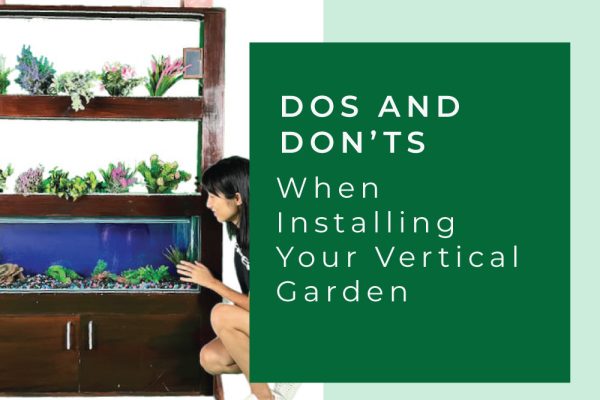
Dos and Don’ts When Installing Your Vertical Garden

A vertical garden
A vertical garden


Do Make The Best of What You Have

Do Make The Best of What You Have

Before you begin, you should examine the area you have to work with and take a good, hard look at what you truly know. If you’re new to gardening, starting small and basic, such as with windowsill herbs or a picture frame garden, is best. These demand less time and effort and allow you to gain a feel for vertical gardening. When you’re ready to move on, consider the space you want to convert into a vertical garden. Enquire whether it receives enough sunshine. What is the temperature outside? What is the humidity level? If you intend to build a vertical garden directly on a wall, ensure you have permission to drill into it; otherwise, find another way to secure it. Ensure the wall is solid enough to sustain heavy pots and pockets of earth.


Don’t Put it in the Wrong Place

Don’t Put it in the Wrong Place

One of the most common mistakes with indoor vertical gardens is choosing the incorrect location for your indoor wall garden. This can cause significant difficulty and, in some instances, additional costs if the garden must be relocated.

biophilic design concepts

Wall gardens should be easily accessible so that maintenance and other duties may be conducted on a regular basis. Furthermore, the position of your indoor vertical garden should contribute to the aesthetics of the area and the overall appearance and feel you’re attempting to create.


Do Take Caution When Choosing Plants

Do Take Caution When Choosing Plants

Many considerations must be addressed while selecting the proper plants for your vertical garden, particularly indoor gardens. Try not to get too attached to any one plant; there are thousands of lovely species out there, and some will thrive in your garden while others will perish. Look for plants with shallow roots, such as herbs and ferns, and avoid anything that can grow particularly huge and heavy unless your vertical garden is strong enough to support it.

Take the time to thoroughly investigate the plants you desire and consider the circumstances they require and what your space can provide. Generally, food plants like herbs, fruits, and vegetables require a lot of sunlight. Ferns and ivy are excellent choices for shadier areas, but there are many more plants to consider and exceptions to every rule. Remember that root vegetables and huge fruit bushes will not thrive in a normal vertical garden when considering foodstuffs.


Don’t Neglect Maintenance

Don’t Neglect Maintenance

When planning an indoor vertical garden, it is critical to consider maintenance. First and foremost, does your schedule and lifestyle allow you the time necessary to care for and maintain the garden? Furthermore, how much time do you want to devote to this upkeep?

Designs can be adjusted and customised to meet your lifestyle, but this will necessitate further research and planning. Some wall garden designs allow for faster plant removal and replacement when grown in containers, whilst others necessitate more irrigation, drainage, and soil management. While planning your vertical garden, give all of these factors careful study.

Most vertical gardening kits include irrigation or can be easily added for a small additional fee; however, fertilising must be done by the user. The soil can be treated using liquid fertiliser so that the plants receive all the required nutrients.


Do Be Prepared for Some Plants to Fail

Do Be Prepared for Some Plants to Fail

The ancient saying “the right plant for the right spot” applies when planting a green wall. Green walls dry out rapidly, so whether in the sun or shade, you’ll need plants that can withstand this or adequate irrigation to support the various plants. Succulents and other drought-tolerant plants are ideal for sunny areas. Introduce philodendrons, walking iris, and ferns to make shaded places more tropical.

Expect some plants to die; it’s a natural aspect of gardening, and the death rate in a green wall is slightly higher due to the stress of living on a vertical plane. As a result, use a system with replaceable individual pots to make maintenance easy.


Don’t Add Too Many Plants

Don’t Add Too Many Plants

Adding too many plants is a common and easy mistake. Although you want your living wall to be lush and full, you don’t want to overcrowd it with plants. To begin, overcrowding the room with too many plants is a definite way to create an overgrown maintenance nightmare for yourself. This might not only result in a congested, disorganised appearance, but it can also lead to some plant species displacing others. It inhibits development, kills some of your plants, and makes your indoor vertical garden look unpleasant and unkempt.


Final Thoughts

what is the best replica watch sitekate spade phone caseelf bar priceelf bar 屑薪芯谐芯褉邪蟹芯胁褘泄telefoonhoesjes bestellen
Final Thoughts
They have numerous advantages

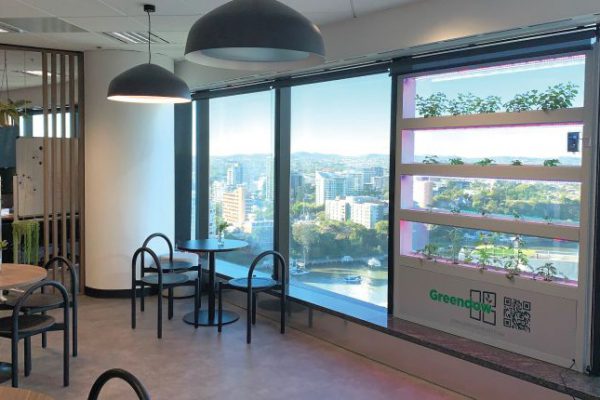
The Beauty and Benefits of Vertical Window Gardens

What is a Vertical Garden?

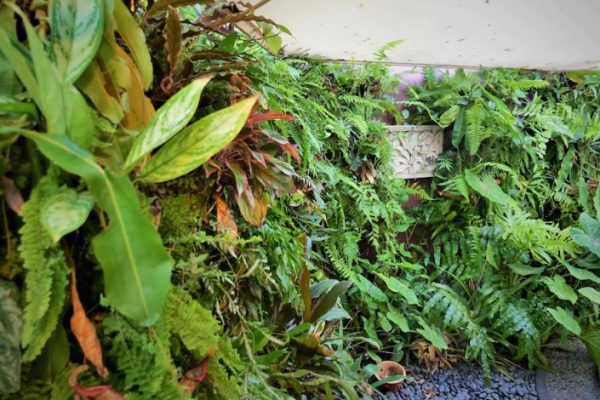
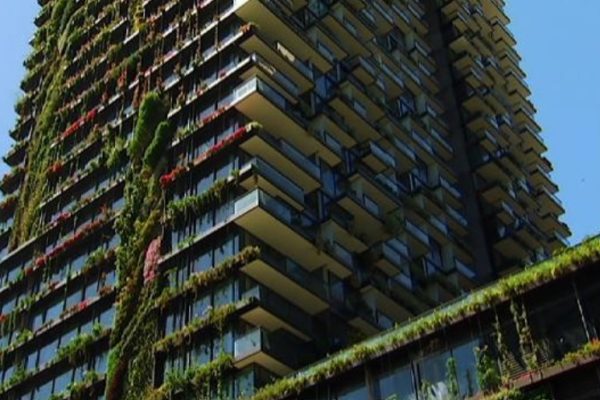
Vertical gardens, often known as living walls, are becoming increasingly popular in homes and offices. Vertical gardening refers to the practice of growing plants on walls rather than on horizontal surfaces such as tables and floors. There are numerous ways to cultivate a vertical garden and numerous advantages to having a living wall.

Vertical gardens are suspended panels that can be put on walls or freestanding structures and use a water flow system to grow indoor and outdoor plants. While appearing to be a new trend, vertical gardens have been around since ancient times. They are still as remarkable and visually capturing today as they were then.

The advantages of indoor vertical gardens are numerous, ranging from air purification to noise reduction to the provision of fresh produce. Furthermore, office wall plants are a wonderful way to provide a touch of nature to any urban atmosphere.

Benefits of Vertical Garden

Aesthetic Appeal Benefits

Beauty & Design

Installing plant walls has several advantages. The beauty is one of the most obvious reasons for introducing a vertical garden. A green wall in an office environment makes it more appealing and relaxing. It creates a focal point of attention and an unexpected design element. If you are in the retail industry, plant walls will enhance foot traffic and increase sales. If you work in a corporate environment, living walls can assist in creating a more pleasant and peaceful meeting environment.

Space Saving

By growing plants vertically, you can maximise confined spaces, such as balconies, patios, or little gardens. In addition, by keeping plants above the ground, vertical gardening can help you build privacy screens, enhance the visual appeal of your space, and lower the danger of pest and disease issues. You may grow various plants vertically, including vegetables, herbs, and flowers, and enjoy a plentiful harvest while maximising your available space with the proper setup and maintenance.

Environmental Benefits

Reducing Office Noise

Vertical gardens may absorb up to 50% of the noise generated in a major city. Noise can be decreased by up to ten decibels, which has significant health benefits. In fact, a vertical garden may absorb 41% more noise than a traditional facade.

Reduced Water Usage

A more effective watering system may be made by growing plants vertically since the water can be sent directly to the roots of the plants rather than being spread out throughout the entire garden. Additionally, the superior drainage and aeration provided by vertical gardening can assist in avoiding overwatering and saturated soil. Drip irrigation systems and other effective watering techniques may reduce water waste and water costs. Overall, vertical gardening can be an excellent way to save water without sacrificing a lush, fruitful garden.

Benefits for Humans

Health & Air Quality

A vertical garden provides oxygen. The plants filter airborne contaminants and change carbon dioxide into oxygen. A plant’s surface area can generate 130g of dust and produce enough oxygen for a person to breathe for a year. Succulents, grasses, and perennial shrubs do well in compact areas, as do ferns and herbs, making them the best indoor plant choices.

Even now, most workplaces are without windows. Vertical gardens are a fantastic idea because they can filter about 90% of air pollutants and provide clean air. Putting up a green wall helps reduce appliance and air conditioner pollution. Certain aromatic plants can help keep the air clean and fresh.

Physical & Mental Health

By creating oxygen and cleansing the air, which lowers problems like breathing difficulties and blood pressure, plants fight respiratory ailments and improve cardiovascular disorders. They reduce exposure to local pollen, protecting against diseases and/or allergies from hazardous gases. Plants promote atmospheric humidity, which moisturises the skin, mucous membranes, and throat, preventing coughs. Regarding their advantages on the mind, it is common knowledge that vertical gardens enhance focus and mood, ease stress by fostering a sense of relaxation, and provide aesthetic relief when contemplated.

Quick Contact
close slider

    Contact us for more information


    * required field